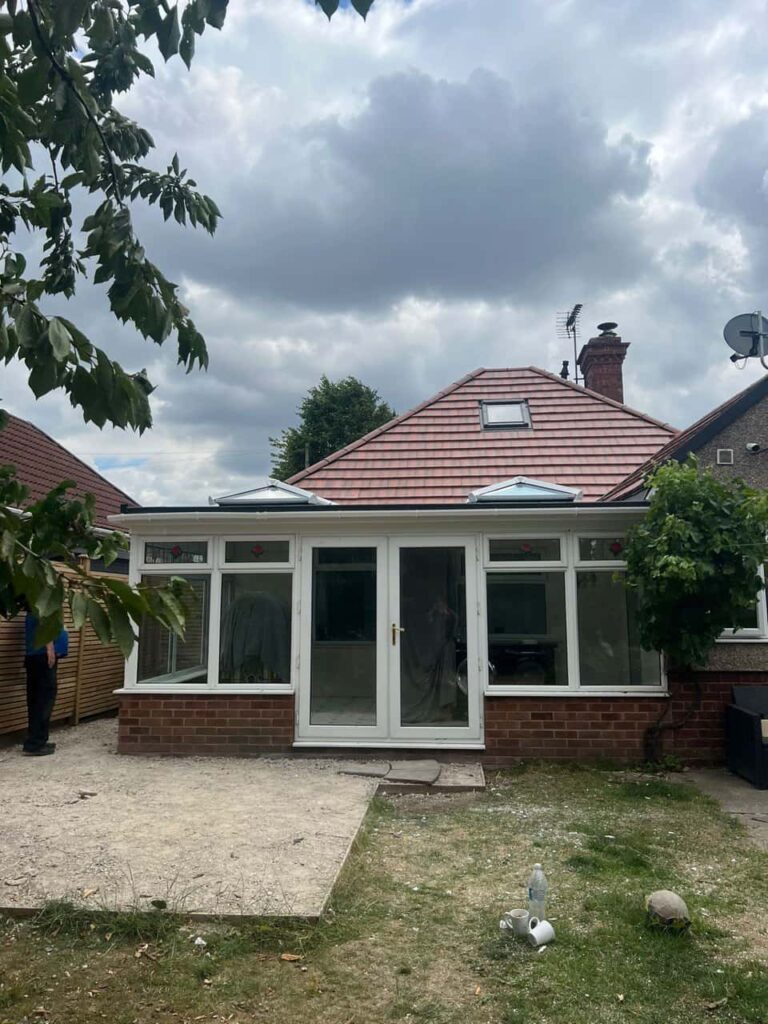
Leadwork plays an important role in protecting vulnerable areas of a roof from water ingress. It is commonly used where roof coverings meet chimneys, walls, valleys and other junctions where tiles alone cannot provide complete weather protection. When correctly installed and maintained, lead can provide dependable service for many years.
However, leadwork is continually exposed to changing temperatures, rain, wind and natural movement within the roof. Over time, defects can develop that reduce its ability to direct water safely away. Recognising the early warning signs can allow repairs to be carried out before moisture begins affecting surrounding roofing materials or entering the property.
For homeowners in Stapleford, Nottingham, understanding what deteriorating leadwork looks like can make it easier to know when a professional roof inspection is worthwhile.
Why Is Leadwork So Important to a Roof?
Most roof coverings rely on overlapping tiles or slates to shed rainwater. The challenge comes where the roof meets another structure or changes direction.
These areas require carefully formed weatherproof details.
Leadwork may be found around:
- Chimney stacks
- Roof-to-wall junctions
- Valleys
- Abutments
- Certain roof penetrations
- Other vulnerable junctions
Its purpose is to guide water over and away from areas where it might otherwise penetrate the roof.
Because leadwork protects these particularly vulnerable points, even a relatively small defect deserves attention.
1. Visible Cracks or Splits in the Lead
One of the clearest signs of deterioration is visible splitting.
Lead naturally expands and contracts as temperatures change. Properly installed leadwork is designed to accommodate this movement, but ageing, fatigue or unsuitable installation can eventually contribute to cracking.
Even a relatively small split can create a route through which water can pass.
The problem may become particularly noticeable during prolonged or wind-driven rain, when greater quantities of water are moving across the roof.
A visible split should therefore be treated as a roofing defect rather than simply a cosmetic imperfection.
2. Leadwork Beginning to Lift
Lead should remain securely positioned
Sections of flashing that have started lifting away from the adjoining surface can leave vulnerable gaps.
This may occur around chimneys or roof-to-wall junctions where the lead needs to maintain an effective weather-resistant connection.
Lifted leadwork can allow wind-driven rain to reach behind the flashing rather than being directed onto the roof covering.
From ground level, the movement may initially appear minor. Closer professional inspection can establish whether the lead remains properly secured or requires repair.
3. Loose or Displaced Flashing
Lead flashing needs to remain correctly positioned to perform its intended function.
If a section has become loose or displaced, its overlap with surrounding materials may no longer provide adequate protection.
Warning signs can include:
- Sections sitting differently from neighbouring leadwork
- Noticeable gaps
- Edges lifting away
- Flashing that appears distorted
- Lead no longer sitting neatly against the adjoining surface
The cause should also be investigated. Simply pushing displaced lead back into position may not provide a lasting solution if the original fixing or installation has failed.
4. Distortion, Buckling or Rippling
Some variation in the appearance of leadwork is normal because lead is a flexible material. Significant buckling or distortion, however, can indicate that it is no longer accommodating movement correctly.
Repeated expansion and contraction can place stress on particular areas.
If the lead has been installed in sections that cannot move appropriately, stresses may eventually contribute to splitting or displacement.
Distorted leadwork therefore deserves closer inspection, particularly where other signs of deterioration are also present.
5. Gaps Around Chimney Flashing
Chimneys are particularly important areas to monitor
A chimney creates a major interruption in the roof covering, which means the junction around it must be carefully weatherproofed.
Lead flashing and related details help direct water around the chimney rather than allowing it into the gap between the masonry and roof.
Problems can develop if:
- Flashing becomes loose
- Sections lift away
- Joints deteriorate
- Lead becomes split
- Surrounding roof materials move or become damaged
Water entering around a chimney can then travel beneath the roof covering before becoming visible internally, making the source of the leak difficult to identify without a proper inspection.
6. Deterioration Where Lead Meets Masonry
Lead flashing is often incorporated into masonry joints around chimneys and adjoining walls.
If the surrounding material deteriorates, the lead may no longer remain securely positioned.
This can create small gaps through which water can penetrate.
When inspecting a leadwork problem, it is therefore important to consider the complete junction rather than examining only the lead itself.
A successful repair needs to address whatever has caused the weatherproof detail to fail.
7. Damp or Water Staining Inside the Property
Sometimes the first warning sign of deteriorating leadwork appears inside rather than on the roof.
Possible symptoms include:
- Damp patches
- Ceiling discolouration
- Water staining
- Moisture within the roof space
- Dampness around a chimney area
- Signs of dripping during rainfall
These symptoms do not automatically prove that the leadwork is responsible. Roof leaks can originate from several different defects.
However, where internal damp corresponds with an area containing flashing or another lead detail, the leadwork should form part of the investigation.
8. Leaks That Only Appear During Particular Weather
A deteriorating lead detail may not leak every time it rains.
The direction of the wind, intensity of rainfall and amount of water travelling across the roof can all influence whether moisture reaches a particular defect.
For example, lifted flashing may perform adequately during light rain but allow water behind it when rain is driven towards the junction by strong winds.
Intermittent leaks should not therefore be dismissed simply because the problem disappears during calmer weather.
9. Previous Lead Repairs Starting to Fail
Older roofs may contain leadwork that has previously received localised repairs.
There is nothing unusual about maintaining roofing details as they age, but repaired areas should continue to be monitored as part of the overall roof condition.
If the same section repeatedly develops problems, it may indicate that the original cause has not been fully addressed or that the surrounding lead has deteriorated further.
Professional assessment can determine whether another local repair remains appropriate or whether a larger section requires attention.
10. Deterioration Around Valleys and Roof Junctions
Leadwork can be particularly important where substantial amounts of rainwater are channelled through one part of the roof.
A valley, for example, can receive water from adjoining roof slopes.
A defect within such an area may therefore be exposed to considerably more water than a similar-sized problem elsewhere.
Warning signs around roof junctions can include visible splitting, displacement, deterioration of adjoining materials or evidence that water is no longer flowing as intended.
Because these areas perform an important drainage function, defects should be investigated promptly.
Why Small Leadwork Defects Can Cause Larger Roofing Problems
The size of the visible defect does not necessarily reflect the potential extent of water ingress.
A relatively narrow split can allow water beneath the external roof covering. Once moisture reaches this area, it can travel along other roofing components.
Over time, continued water penetration may affect a larger section than the original leadwork defect.
Early repairs are valuable because they aim to restore the weatherproof junction while the problem remains localised.
Why Leadwork Problems Can Be Difficult to Diagnose
Water does not always appear directly beneath the point where it entered.
Once underneath tiles or flashing, it can follow roof timbers, underlay and other surfaces before becoming visible.
This can make a failed lead detail look like:
- A leaking tile
- A chimney problem
- A general roof leak
- A defect elsewhere on the roof
Professional inspection is therefore important when the source is unclear.
Rather than simply repairing the area nearest to an internal damp patch, the likely routes of water ingress need to be investigated.
Does Damaged Leadwork Mean the Roof Needs Replacing?
Not necessarily.
Where deterioration is confined to a specific lead detail and the surrounding roof remains in good condition, a targeted repair may be entirely appropriate.
More extensive roofing work becomes relevant when an inspection identifies broader deterioration affecting multiple components.
The condition of the complete roof should guide the decision rather than the presence of one defective section of leadwork.
Why Early Leadwork Repairs Are Worthwhile
Leaving defective leadwork exposed gives rainfall repeated opportunities to enter vulnerable roof junctions.
Addressing deterioration early can help:
- Restore weather protection
- Prevent defects becoming more extensive
- Protect surrounding roofing materials
- Reduce the likelihood of recurring leaks
- Keep localised problems manageable
The objective is not to replace leadwork unnecessarily, but to repair genuine weaknesses before they begin affecting other parts of the roof.
Professional Assessment Is Important
Leadwork can be difficult to assess properly from ground level.
A section may look acceptable from a distance while containing a small split or lifted edge that becomes obvious only during closer inspection.
Professional roofers can assess the condition of the lead alongside surrounding tiles, masonry and roof junctions.
This makes it possible to establish whether the problem is genuinely caused by deteriorating leadwork and determine what repair is required.
Professional Leadwork Repairs in Stapleford
Stapleford Roofing Repairs provides professional roofing, roof repair and new roof services for properties throughout Stapleford, Nottingham.
If you have noticed signs of deteriorating leadwork or are experiencing an unexplained roof leak, we can assess the relevant roof details and identify the underlying problem.
Where deterioration is localised, appropriate leadwork repairs can restore the vulnerable junction without unnecessary wider roofing work. If additional defects are present, the surrounding roof can also be assessed so that the recommended solution addresses the actual condition of the roofing system.
Conclusion
The main warning signs of deteriorating roof leadwork include cracks, splits, lifting edges, loose flashing, distortion and gaps around roof junctions. Internal damp, recurring leaks and water ingress during particular weather conditions can also indicate that a lead detail is no longer providing effective protection.
Because leadwork is commonly installed around some of the most vulnerable parts of a roof, relatively small defects should not be ignored. Early professional assessment can establish whether the leadwork requires a straightforward local repair or whether surrounding roofing components also need attention.
If you are concerned about the condition of the leadwork on your property in Stapleford, Nottingham, contact Stapleford Roofing Repairs. We can inspect the affected area, identify the cause of deterioration and carry out an appropriate professional repair to help keep your roof weather-resistant.
Call us on: 0115 647 1193
Click here to find out more about Stapleford Roofing Repairs
Click here to complete our contact form and see how we can help with your roofing needs.