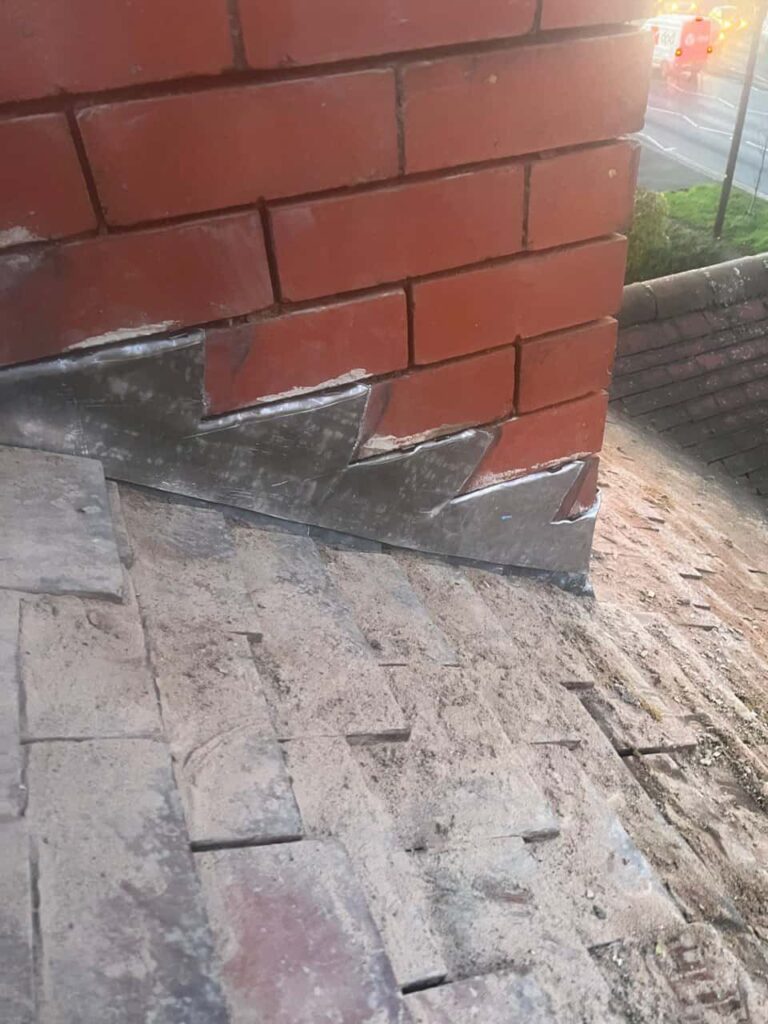
Many homeowners focus on roof tiles, slates and guttering when thinking about roof maintenance, but one of the most important components of any roofing system is often overlooked. Lead flashing plays a vital role in protecting a property from water ingress and helping the roof remain weatherproof throughout the year.
When lead flashing becomes damaged or deteriorates, it can create vulnerabilities that allow moisture to enter the roof structure. For homeowners in Stapleford, Nottingham, understanding what lead flashing does and why it sometimes fails can help prevent costly roofing problems and protect the long-term condition of the property.
What Is Lead Flashing?
Lead flashing is a weatherproof material installed at roof junctions and vulnerable areas where water could otherwise penetrate the roofing structure.
It is commonly found around:
- Chimneys
- Roof valleys
- Dormer windows
- Skylights
- Wall junctions
- Roof abutments
Lead is widely used because it is durable, flexible and highly resistant to weather exposure. When installed correctly, it creates a watertight seal that helps direct rainwater safely away from vulnerable areas.
Why Lead Flashing Is So Important
Roofs contain numerous points where different materials meet. These junctions naturally create areas where water could potentially enter the property if not properly protected.
Lead flashing helps by:
- Preventing water ingress
- Protecting roof timbers
- Safeguarding internal structures
- Supporting effective drainage
- Extending the lifespan of the roof
Without properly functioning flashing, even an otherwise well-maintained roof can become vulnerable to leaks.
Signs That Lead Flashing May Be Failing
Because flashing is often located in less visible areas of the roof, problems can develop gradually before they become obvious.
Common warning signs include:
- Water stains on ceilings
- Damp patches in loft spaces
- Visible gaps around chimneys
- Loose sections of flashing
- Cracked or split lead
- Leaks during periods of heavy rain
If any of these signs are present, a professional roof inspection should be arranged as soon as possible.
Why Does Lead Flashing Fail?
Although lead is an extremely durable material, it is not immune to wear and deterioration. Several factors can contribute to flashing failure over time.
Age and Natural Wear
Like all roofing materials, lead flashing is exposed to the elements year after year. Over time, natural ageing can reduce its effectiveness and increase the likelihood of defects developing.
Older flashing may become more vulnerable to cracking, movement and separation from surrounding materials.
Thermal Expansion and Contraction
Lead naturally expands and contracts as temperatures change. While this movement is expected, repeated expansion and contraction over many years can place stress on the material.
If flashing has not been installed correctly or adequate allowances have not been made for movement, cracks and splits may eventually occur.
Poor Installation
One of the most common causes of flashing problems is poor workmanship. Incorrect fitting, inadequate fixing methods or insufficient overlap can all lead to premature failure.
Professional installation is essential to ensure flashing performs effectively throughout its lifespan.
Storm Damage
Strong winds and severe weather can occasionally loosen flashing or cause sections to lift away from the roof structure.
Once gaps develop, water can begin to penetrate vulnerable areas and cause further deterioration.
Deterioration of Surrounding Materials
Lead flashing relies on neighbouring roofing materials to remain secure. If brickwork, mortar, roof coverings or other components begin to deteriorate, the flashing itself may become compromised.
In many cases, flashing problems are linked to wider roofing issues that require professional assessment.
The Risks of Ignoring Damaged Flashing
A small defect in lead flashing can quickly develop into a larger roofing problem if left unattended.
Potential consequences include:
- Roof leaks
- Dampness within the property
- Damage to roof timbers
- Reduced roof performance
- Internal staining and moisture problems
Prompt repairs help prevent these issues from escalating and protect the integrity of the roofing system.
The Value of Professional Roof Inspections
Because flashing issues are not always easy to identify from ground level, regular roof inspections play an important role in preventative maintenance.
Professional roofers can assess the condition of flashing, identify early signs of deterioration and recommend appropriate repairs before significant damage occurs.
At Stapleford Roofing Repairs, we provide professional roofing inspections and lead flashing repair services throughout Stapleford, Nottingham. Our experienced team ensures vulnerable roof areas remain properly protected against the elements.
Conclusion
Lead flashing is one of the most important components of any roofing system, providing essential protection at roof junctions and preventing water ingress. Although highly durable, flashing can fail due to age, weather exposure, poor installation and movement over time.
For homeowners in Stapleford, Nottingham, regular inspections and prompt repairs help ensure lead flashing continues to perform effectively and protect the property from avoidable roofing problems. Stapleford Roofing Repairs provides expert roofing services designed to keep roofs watertight, secure and performing at their best throughout the year.
Call us on: 0115 647 1193
Click here to find out more about Stapleford Roofing Repairs
Click here to complete our contact form and see how we can help with your roofing needs.