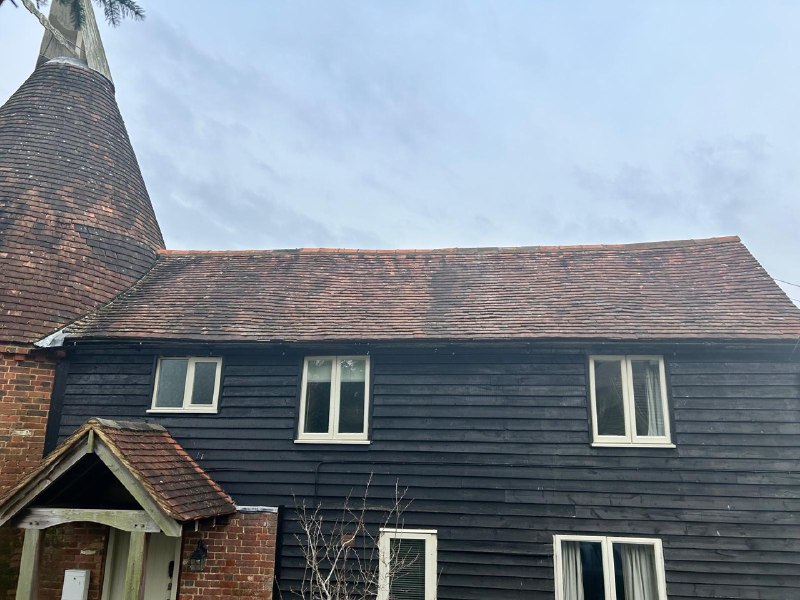
Strong winds do not place equal pressure on every part of a roof. Edges, corners, ridges and projecting features are often more exposed because air moves rapidly around them and can create uplift beneath roofing materials. Existing weaknesses may then allow tiles, flashing or other components to move.
For property owners in Stapleford, Nottingham, knowing which areas are most vulnerable can make post-storm checks more useful. Damage is not always visible from ground level, so a professional inspection may be necessary when a roof develops a leak, unusual movement or an obvious change in appearance.
Roof Areas That Commonly Suffer Storm Damage
A roof’s vulnerability depends on its design, condition, materials and exposure. A sound roof should withstand normal weather, but ageing fixings, deteriorated mortar and previous damage can make individual sections more susceptible during a storm.
The most visible defect is not necessarily the only one. When one component moves, the surrounding area should also be examined.
Ridges and Hips
Ridge and hip tiles occupy prominent positions where roof slopes meet. Their exposure means they can experience considerable wind pressure from several directions.
Traditional mortar can crack, loosen or break away over time. Mechanically fixed components may also become vulnerable if fixings have deteriorated or earlier movement has occurred.
Warning signs include:
- missing pieces of mortar
- uneven ridge or hip tiles
- visible gaps
- tiles that appear to have rotated
- fragments found on the ground
- dampness beneath the roof apex
A displaced ridge or hip tile should be inspected promptly because movement can expose the junction between roof slopes.
Roof Edges and Corners
Wind pressure is often concentrated around eaves, verges and corners. Air moving around the building can create uplift beneath tiles at the perimeter, particularly where edge details are already loose.
A failed edge tile may allow wind to reach beneath neighbouring materials. This does not mean widespread failure will always follow, but the surrounding fixings should be checked.
Cracked verge mortar, loose dry-verge components and damaged eaves details can all require attention after severe weather.
Tiles and Slates
Tiles and slates can slip, crack or lift when their fixings no longer hold them securely. The covering itself may remain unbroken while nails, clips, nibs or battens fail beneath it.
Signs of movement can include:
- uneven rows
- newly exposed gaps
- tiles sitting lower than those around them
- broken pieces in gutters or on the ground
- daylight visible from the roof space
- localised dampness beneath the covering
One displaced tile is often repairable, but several affected materials may indicate a wider fixing or batten problem.
Lead Flashing and Roof Junctions
Lead flashing protects vulnerable junctions around chimneys, walls, roof extensions and other changes in level. Strong winds can lift loose edges or worsen splits that have already developed through age and movement.
Once flashing separates from the adjoining surface, wind-driven rain may be forced behind it. Water can then travel away from the entry point before appearing indoors.
The flashing, surrounding mortar and roof covering should be assessed together rather than treating the visible gap in isolation.
Chimneys
Chimneys project above the roofline and receive direct exposure to wind and rain. Storms can reveal weaknesses in pointing, chimney pots, flaunching and leadwork.
Loose masonry or damaged pots may create concerns beyond water ingress. If fragments have fallen or any part of the chimney appears unstable, keep the area below clear until it has been professionally assessed.
Leaks near a chimney can originate from several adjoining components, so accurate diagnosis is important.
Call us on: 0115 647 1193
Click here to find out more about Stapleford Roofing Repairs
Click here to complete our contact form and see how we can help with your roofing needs.